SW11 Student Flat Removals Near Clapham Junction: A Practical Guide for a Smoother Move
If you're arranging SW11 student flat removals near Clapham Junction, you're probably juggling more than boxes. There's the end-of-term rush, key handover times, narrow stairwells, parking headaches, and that one awkward bit of furniture you swore was "compact enough" when you bought it. Truth be told, student moves around Battersea and Clapham Junction can feel simple right up until moving day starts making decisions for you.
This guide breaks the process down in plain English. You'll learn how student flat removals work in the SW11 area, what to expect from a local man and van or removal service, which mistakes cause avoidable stress, and how to choose a sensible approach for your budget and schedule. If you want to move quickly without making a mess of the day, this is for you.
One quick note: good removals are not just about lifting things. They're about timing, access, packing, and not overthinking the sofa on the stairs at 7am. That's usually where the real work begins.
Why SW11 Student Flat Removals Near Clapham Junction Matters
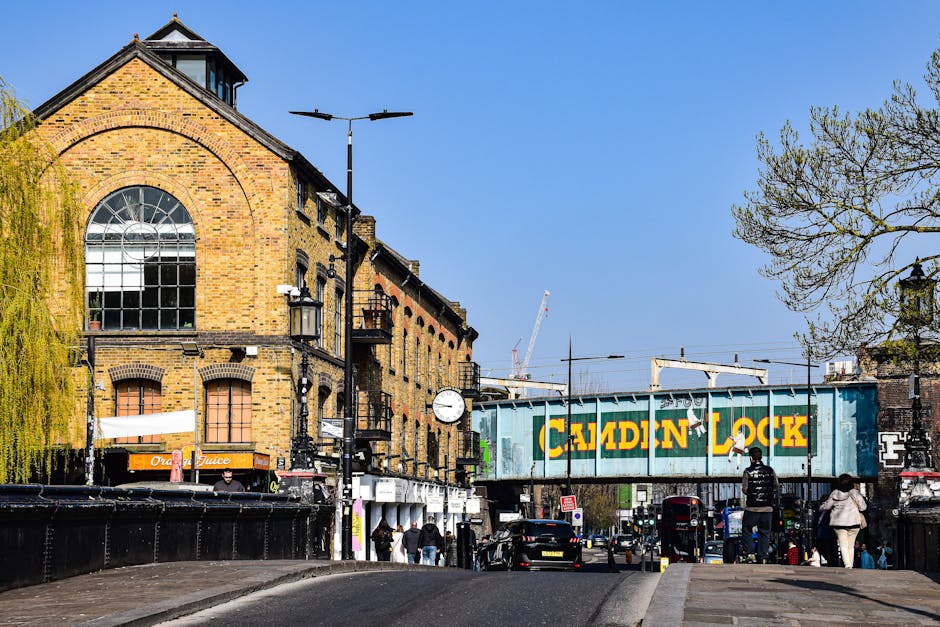
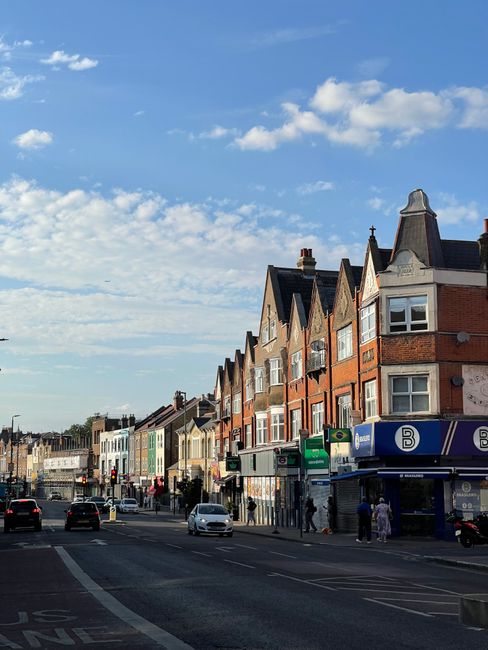
SW11 sits in a busy part of south-west London where student housing often means compact flats, shared houses, and buildings with tight access. Near Clapham Junction, that becomes even more pronounced. The roads are active, parking can be limited, and many properties are in converted houses or flats with stairs that seem to go on for a bit too long. Nothing impossible, just the kind of move that rewards planning.
For students, removals are usually time-sensitive. You may be moving at the end of a tenancy, before a new term starts, or between shared houses with different check-in times. If your belongings are mostly bags, a desk, kitchen bits, and a mattress, the move might look small on paper. But small moves can still become surprisingly awkward if the van is too large for the street, if building access is not checked, or if you leave packing until the night before. We've all seen that film.
Local knowledge matters because Clapham Junction and the wider Battersea area have their own practical quirks. A driver who understands local roads, loading points, and the rhythm of busy hours can save you time and keep the day calmer. That's especially useful when you are moving from a student flat where every minute counts and nobody wants to carry a chest of drawers three blocks further than necessary.
Expert summary: the best student move is usually the one that looks simple on paper and feels uneventful on the day. That comes from planning access, packing well, and choosing the right-sized vehicle rather than just the cheapest option.
How SW11 Student Flat Removals Near Clapham Junction Works
At its simplest, a student flat removal is a short, local move handled with a suitable vehicle and enough hands to load and unload efficiently. In SW11, that often means a man and van style service, though some moves need a larger moving van or a more structured removal service depending on how much you've accumulated.
The process usually follows a simple rhythm:
- You describe what needs moving, where from, and where to.
- The mover considers access, parking, the size of the load, and timing.
- A vehicle and crew are assigned for the job.
- Items are loaded carefully, transported, and unloaded in the right rooms.
- If needed, a return trip or second drop is arranged for leftover items.
For student flats, the most common moving pattern is a partial move rather than a full house clearance. That might include a bed, a desk, bags, a bike, a couple of boxes of books, and a few kitchen items that somehow multiply at the back of a cupboard. If you are moving out of shared accommodation, you may also need to coordinate with flatmates so the van arrives after their belongings are out of the hallway. Small detail, big difference.
Good movers also think about the building before they touch the first box. Is there a lift? Are there key fob entry restrictions? Can the van stop close enough? Will the move need a second person for stairs? These questions sound basic, but they are often what separate a smooth move from a frustrating one.
Key Benefits and Practical Advantages
There are real advantages to using a local moving team for SW11 student moves near Clapham Junction. Some are obvious, some only become obvious once you've tried doing it the hard way.
- Less physical strain: carrying heavy bags, books, and furniture downstairs is tiring enough without trying to turn it into a personal fitness challenge.
- Better timing: local crews can work around short tenancy windows, term dates, and building access hours.
- Vehicle suitability: choosing the right van size avoids paying for space you do not need or cramming items in badly.
- Reduced stress: someone else handles the loading order, transport, and unloading flow.
- Safer handling: awkward items like mirrors, desks, and divan bases are easier to move with proper equipment and experience.
- More predictable costs: a clear quote helps you compare options properly, especially if you are working to a student budget.
Another benefit that gets overlooked: a local mover can usually spot the little issues before they become bigger ones. Maybe the loading bay is around the corner. Maybe the staircase narrows halfway up. Maybe a parking restriction makes a particular time slot far easier. Those small observations save time, and time is often the thing students do not have enough of.
If you want to compare the moving options available, it can help to look at a broader service like man with van support alongside more structured movers. The right choice depends on the size of your flat, how many items you have, and whether you need packing help as well.
Who This Is For and When It Makes Sense
This kind of service is ideal for students and young renters in or around SW11 who need a practical, not overcomplicated move. If your belongings can fit into one van load, or into a couple of careful trips, you are in the sweet spot.
It makes particular sense if you are:
- moving from a studio or one-bedroom flat near Clapham Junction
- sharing a house and moving only part of your belongings
- leaving university accommodation for a summer break
- going into a new flat with limited storage and a tight access window
- moving after exams when your energy levels are already somewhere near zero
- trying to avoid hiring a full-scale larger vehicle for a modest student load
It may also suit you if you're moving some things to storage and some to a new address. That split move is common, and it's where a flexible service is genuinely helpful. A sensible mover can keep the plan simple rather than making you wrestle with three separate bookings and two different sets of invoices.
If your flat contains more furniture than you first realised, or if you're moving with flatmates and a lot of shared pieces, you may need something closer to a house removals style service. Not always. Just sometimes. Best to be honest about it early.
Step-by-Step Guidance
Here's a straightforward way to plan student flat removals near Clapham Junction without creating chaos for yourself.
1. Make a real inventory
Walk through the flat and list what is actually moving. Be practical, not optimistic. Include boxes, bags, furniture, under-bed storage, bikes, and anything fragile. If something is staying behind, say so now rather than at the kerbside later.
2. Measure the awkward items
Mattresses, wardrobes, desks, and sofa frames can be deceptive. Measure them, and check whether they fit through the hall, stairs, or lift. In a lot of student flats, the issue is not the item itself but the corner at the top of the stairwell. The corner always wins if you guess.
3. Check access and parking
Look at where the van can stop, whether there are restrictions, and how far the carry is from door to vehicle. If your building has timed entry or a concierge desk, make sure the mover knows. This is the bit people forget, and it causes most day-of delays.
4. Book the right type of vehicle
A smaller load may suit a removal van or a flexible man with a van arrangement. Larger student households, or those with bulky furniture, may need more capacity. Better to have enough room than to spend the afternoon repacking on the pavement.
5. Pack in a logical order
Use sturdy boxes for books and kitchen items. Keep a separate bag for essentials: chargers, medication, keys, water, snacks, and a change of clothes. Label boxes by room and priority. One word labels work fine. Nobody needs a poetry competition on moving day.
6. Load heavy items first, then fragile items
Normally, the heaviest and most stable items go in first, with lighter and more fragile items secured around them. Good loading keeps things from shifting in transit and reduces breakage. It's not glamorous, but it matters.
7. Do a final sweep before departure
Open cupboards, check behind doors, and look under the bed. Students leave behind cables, shoes, and charger plugs with impressive regularity. It happens. More often than anyone likes to admit.
8. Unload by priority at the new place
Set beds, desks, and essentials in place first, then deal with the rest. That way the new flat starts to feel functional quickly, even if a few boxes remain stacked in the corner until the evening.
Expert Tips for Better Results
These are the sort of practical details that make a move feel easier without needing a huge budget.
- Book earlier than you think you need to. Student move dates cluster around the same weekends, so the calm option is usually the early one.
- Keep one box for immediate essentials. Think kettle, mugs, toiletries, bedding, and phone charger. You'll thank yourself by 9pm.
- Use soft items as padding. Towels, hoodies, and bedding can protect fragile items without wasting space.
- Disassemble furniture only when necessary. If a bed frame comes apart easily, fine. If it's a wrestling match with six screws and one lost Allen key, maybe keep it intact.
- Photograph tricky setups. A quick picture of stairs, lifts, or parking spaces helps the mover understand the access before arriving.
- Ask about insurance and handling standards. If something matters to you, such as a laptop box or a mirror, make sure it is treated appropriately.
For some students, a little extra help with boxing things up is worth every penny. If that sounds familiar, you may want to look at packing and unpacking services as part of the move. Not everyone needs it, but when deadlines are tight, it can make the day feel far less frantic.
And a small human note: if your move day starts with rain, a broken umbrella, and a missing key, don't panic. London mornings can be a bit dramatic. The job still gets done.
Common Mistakes to Avoid
Most bad student moves are not disasters. They're just a series of small avoidable mistakes that pile up until the day feels harder than it should.
- Leaving packing too late: last-minute packing leads to broken items, lost essentials, and tiredness before the van even arrives.
- Underestimating volume: one room of "just a few things" often turns into a surprising number of boxes.
- Ignoring access issues: stairs, lifts, and parking restrictions matter a lot more than they first seem.
- Booking a van that is too small: squeezing things in can damage belongings and waste time.
- Not labelling boxes: if everything looks identical, unloading becomes guesswork.
- Forgetting tenancy handover timing: if keys must be returned by a certain time, your move schedule needs to work backwards from that.
- Not checking what is included: some services include loading and unloading, while others offer a different level of help.
To be fair, students are often managing this during exam season, dissertation deadlines, or job hunting. So mistakes are understandable. Still, a little planning goes a long way. Very far, actually.
Tools, Resources and Recommendations
You do not need fancy equipment for a student flat move, but a few simple tools help more than people expect.
- Strong packing tape: basic, but essential.
- Marker pens: label by room and contents.
- Bubble wrap or soft wrapping: useful for glass, lamps, and delicate items.
- Reusable bags and plastic tubs: good for quick-moving items and laundry.
- Furniture straps or blankets: helpful for protection during loading.
- Phone flashlight: stairwells and cupboards have a habit of hiding things.
From a service point of view, it is worth reviewing a company's general approach, not just the headline price. Pages such as about the team, insurance and safety, and health and safety policy help you understand how seriously the mover treats practical risk. That matters. A lot.
If you are comparing quotes, the most useful detail is usually what is included: number of movers, waiting time, stairs, loading assistance, and whether there is any minimum charge. And when you are ready, a clear pricing and quotes page is the place to start comparing the basics without guesswork.
Law, Compliance, Standards, or Best Practice
For a student move, the main compliance concerns are usually practical rather than technical. You want a mover who works safely, respects property, and handles goods responsibly. In the UK, that means following common-sense standards around lifting, vehicle safety, fair dealing, and clear communication. Not glamorous, but essential.
If the mover is handling your belongings, they should be able to explain how items are protected and what happens if something is damaged. If you have valuables or fragile items, ask directly. It is not rude. It is sensible.
Best practice also includes being transparent about what the job involves. A good mover will want to know:
- the exact pickup and drop-off postcodes
- the number of boxes and large items
- any stairs, lifts, or long carries
- whether parking is restricted
- what time the property must be vacated
It also helps to review the provider's terms and conditions and payment and security information before confirming the booking. That gives you a clearer idea of expectations, cancellation handling, and payment method. Boring? Maybe. Useful? Definitely.
If sustainability matters to you, there is nothing wrong with asking how unwanted items are handled. For example, if you have a desk, chair, or leftover furniture that will not be going to the new flat, a service with a sensible approach to recycling and sustainability can help reduce waste.
Options, Methods, or Comparison Table
There is more than one way to handle a student move in SW11. The right choice depends on the amount of stuff, how far you are going, and how much help you want on the day.
| Option | Best for | Pros | Trade-offs |
|---|---|---|---|
| Self-move with a hired vehicle | Very small loads and flexible timings | Can be economical if you have enough helpers | You do the lifting, packing, routing, and timing yourself |
| Man and van | Typical student flat removals and short local moves | Flexible, efficient, often a good balance of cost and help | May not suit very large loads or multiple heavy pieces |
| Full removal service | Bulkier flats, shared houses, or more delicate items | More support, better for awkward access and larger moves | Usually costs more than a lighter option |
If you are not sure which route to take, start with the size and complexity of the job rather than the label. A short local move with two bags and a desk does not need the same setup as a three-bedroom house. And on the other hand, a "student flat" can sometimes contain enough furniture to surprise everyone, including the person packing it.
For that middle ground, many people compare man and van removals with a more general removals near me search, then decide based on access, timing, and how much lifting they want to avoid.
Case Study or Real-World Example
Picture a fairly typical SW11 student move. One flat in a converted building near Clapham Junction, two people sharing the space, one bed frame, one desk, two chairs, four suitcases, around a dozen boxes, and a few fragile bits wrapped in towels because the bubble wrap ran out at the wrong moment. The move needs to happen between 10am and 1pm because the tenancy handover is tight.
The team arrives with a suitable van, checks the parking space first, and carries items down in a sensible order: boxes, smaller furniture, then larger items. One person keeps an eye on the hallway so nothing gets knocked. The other ensures the van is loaded with heavier items secured at the base. At the new flat, the desk and bed frame go in first so the room becomes usable quickly.
What makes that move successful is not luck. It is the combination of timing, vehicle choice, and enough practical detail to stop the day from slipping sideways. The students still had a mildly chaotic morning, because that is just how moving feels sometimes, but the important part was that nothing got damaged and the handover was done on time. That is the win.
Practical Checklist
Use this before your move day. It keeps the whole thing grounded.
- Confirm move date, time, and access arrangements
- Check the pickup and delivery postcodes
- Measure large furniture and note awkward items
- Pack essentials separately for first-night access
- Label boxes by room and priority
- Protect fragile items with soft wrapping
- Clear hallways and stairwells before the vehicle arrives
- Tell the mover about lifts, stairs, parking, and entry restrictions
- Review insurance and handling information
- Keep keys, ID, phone, and tenancy paperwork easy to reach
- Do one final room-by-room check before leaving
Quick takeaway: a smooth student removal is mostly about preparation, honest expectations, and choosing a service that fits the job rather than forcing the job to fit the service.
If you want a broader view of available help in the area, you can also explore removals and home moves for a sense of how different move sizes and support levels are structured.
Conclusion
SW11 student flat removals near Clapham Junction do not need to be dramatic. They just need to be handled with a bit of care, a realistic plan, and the right level of help. Most of the stress comes from underestimating how fast a small move can become fiddly. Once you sort access, timing, packing, and vehicle size, everything else becomes much more manageable.
That is really the heart of it. Keep the move simple, keep the boxes honest, and don't let the day outrun your plan. If you do that, you are already ahead of most moving stories.
Get a free quote today and see how much you can save.
And if the day still feels a bit much, that is normal too. A good move is rarely exciting while it is happening. It just quietly gets you where you need to be, which is enough.
Frequently Asked Questions
What is the best option for SW11 student flat removals near Clapham Junction?
For most students, a man and van style service is the most practical option because it balances cost, speed, and loading help. If you have more furniture or awkward access, a fuller removals service may be better.
How far in advance should I book a student removal?
As early as you can, especially around the start or end of term. Student move dates tend to bunch together, and the more flexible you are, the easier it is to get a good slot.
Can a mover help with stairs and heavy items?
Yes, most removal teams handle stairs and bulky items, but it is important to mention them before booking. That helps the mover bring the right vehicle and enough help for the job.
How do I know what size van I need?
List your furniture and boxes, then compare the total volume with the space you think you need. If you are unsure, describe the move in detail rather than guessing. A quick chat usually clears it up.
What should I pack separately for the first night?
Keep bedding, toiletries, chargers, basic clothes, medication, snacks, and a kettle or mugs if you want them. This saves a lot of rummaging when you arrive tired and slightly hungry.
Is a student flat move cheaper than a full house removal?
Usually, yes, because the job is smaller and quicker. But access, stairs, waiting time, and the number of heavy items can affect the final cost, so the size of the flat is only part of the picture.
What if my building has restricted parking?
Tell the mover in advance. Restricted access is common around busy London streets, and it can change the whole move plan if not mentioned early.
Can I move only part of my belongings?
Absolutely. Split moves are very common for students, especially when some items are going into storage, some to a new flat, and a few are being left behind.
Should I choose the cheapest quote?
Not automatically. The lowest quote is not always the best value if it excludes loading help, has tight timing, or does not suit your access requirements. Compare what is actually included.
What happens if I have fragile items like mirrors or a monitor?
Tell the mover beforehand and pack them securely. A careful crew will usually treat fragile items differently and load them where they are less likely to move during transit.
Do I need to be present during the move?
It is strongly recommended. Being there helps with access, decision-making, and signing things off quickly if there is a question about where an item should go.
What should I check before confirming a booking?
Check the pickup and drop-off details, what is included, the payment terms, cancellation arrangements, and how the mover handles safety and insurance. A few minutes here can prevent annoying surprises later.