Insider tips for Northcote Road man with van moves
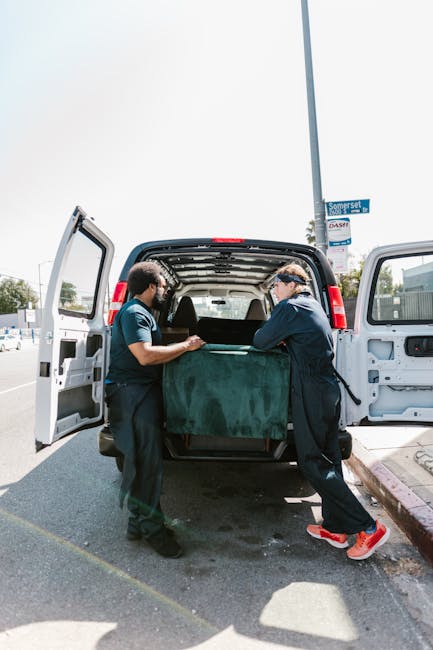
If you are planning a move around Northcote Road, you already know the main challenge is rarely the lifting itself. It is the timing, the access, the parking, the stairs, the narrow bits of pavement, and that slightly chaotic feeling when boxes are half-packed and the kettle has disappeared. That is exactly why these insider tips for Northcote Road man with van moves matter: they help you avoid the annoying, expensive, last-minute problems that can turn a straightforward move into a long day.
In this guide, we will walk through how a local man with van move typically works, what makes Northcote Road different, where people usually go wrong, and how to make the whole thing feel calmer. There are practical details here, a few local realities, and a proper checklist at the end. Nothing fluffy. Just the useful stuff.
- Why Insider tips for Northcote Road man with van moves matters
- How Insider tips for Northcote Road man with van moves works
- Key benefits and practical advantages
- Who this is for and when it makes sense
- Step-by-step guidance
- Expert tips for better results
- Common mistakes to avoid
- Tools, resources and recommendations
- Law, compliance, standards, or best practice
- Options, methods, or comparison table
- Case study or real-world example
- Practical checklist
- Conclusion
- Frequently asked questions
Why Insider tips for Northcote Road man with van moves Matters
Northcote Road has a character all of its own. Busy shops, residential streets, short loading windows, and the general ebb and flow of Clapham life mean that a moving van cannot just pull up and hope for the best. If you are moving a flat, a few key pieces of furniture, or even a small office set-up, the difference between a smooth move and a stressful one often comes down to planning the access properly.
The phrase "man with van" can sound casual, almost too simple, but the best moves are the ones where the simple service is backed by careful preparation. You are not just booking transport. You are booking timing, muscle, local awareness, and a bit of common sense. Truth be told, that local awareness can save you more time than any amount of frantic box-taping at 11pm the night before.
This is especially true in a place like Northcote Road where nearby parking can be tight, foot traffic can be busy, and a small delay can ripple through the rest of the day. If you have ever watched a driver circle once, then twice, while you stand there with a mirror in one hand and a mattress in the other, you will know exactly what I mean.
Insider tips matter because they help you plan around reality rather than theory. That means choosing the right vehicle size, grouping items in the right order, and knowing when a simple man with van service is more efficient than paying for something heavier than you need. For some moves, especially smaller home jobs, there is also a strong argument for looking at home moves or even broader removal services if the job needs extra support.
How Insider tips for Northcote Road man with van moves Works
A good Northcote Road move usually starts long before the van arrives. The process is simple on paper: you confirm the job, prepare the items, the driver arrives, everything is loaded safely, and then it is unloaded at the new place. In practice, though, the move works best when each stage is planned for the street, the property, and the amount of stuff you actually own. And let's face it, most of us own more than we think.
The first step is to be honest about volume. A studio flat with a bed, desk, clothes rail, and a couple of appliances is one thing. A two-bedroom flat with a sofa, dining set, awkward shelving, and a mirror that has somehow become "fragile" by the time moving day arrives is something else entirely. If you under-estimate, you may end up needing a larger vehicle or a second trip. If you over-estimate, you may pay for space you never used.
The second step is access planning. Northcote Road moves often hinge on whether the vehicle can stop close enough to the entrance. If there are steps, tight turns, or shared hallways, it helps to tell the mover in advance. That is not being fussy; it is being smart. A mover who knows about awkward access can bring the right equipment and pace the job properly.
The third step is route and timing. Early morning can be helpful for calmer loading, while later times may suit people who need a bit more packing time. But the best slot depends on the local traffic pattern, nearby activity, and your own schedule. You will notice that a "quick" move becomes slow when everyone is waiting for one key item that was left in a cupboard at the back. Been there, seen it, not glamorous.
If the move involves fragile items or a full house, it may be worth looking at whether a packing and unpacking services option would reduce the pressure. It is not just for people who dislike packing. Sometimes it is the difference between a tidy move and a box avalanche.
Key Benefits and Practical Advantages
When done well, a man with van move on Northcote Road offers a nice balance of affordability, flexibility, and speed. You do not always need a full-scale removal truck for a relatively contained move, and that matters when you are trying to keep costs under control.
Here are the main advantages:
- Flexible for smaller and medium-sized loads - ideal for flats, student moves, single rooms, furniture pick-ups, and partial household relocations.
- Often quicker to organise - especially if you need something practical rather than a large, formal moving schedule.
- More cost-conscious - you are paying for the vehicle and labour you need, not a bigger operation than your move calls for.
- Better for local routes - a smaller van can be easier to manage on narrower London streets.
- Less disruption - useful if you are moving from a busy road, a shared block, or a home with limited lift access.
There is also a psychological benefit that people underestimate. A smaller, well-organised move feels manageable. You can see the finish line. You are not staring at an entire lorry and thinking, "Right then, this is going to be a day."
For business users, especially anyone shifting stock, desks, or office equipment, a local vehicle-led service can be a sensible bridge between simple transport and more structured office removals or broader commercial moves. That flexibility is often the real win.
Who This Is For and When It Makes Sense
Not every move needs the same approach. A Northcote Road man with van service makes the most sense for people who want a practical, local solution without overcomplicating the job.
This is usually a good fit if you are:
- moving from a studio, one-bed, or compact flat;
- relocating just a few large pieces of furniture;
- collecting or delivering items bought privately;
- moving into or out of a shared property;
- handling a light business move;
- combining storage, furniture pick-up, and delivery in one trip.
It may also suit you if you value control. Some people prefer a smaller, simpler move because they know exactly what is happening and when. No guessing, no huge crews, no unnecessary complexity. Just get it done.
That said, if your move includes a large household, multiple floors, or expensive specialist items, you may be better served by a bigger removal setup. In those cases, comparing house removals, house movers, or even a more complete removal company can help you choose the right level of support. No heroics needed.
Step-by-Step Guidance
If you want the move to feel easy enough, follow this sequence. It is simple, but simple done properly is where the magic is.
- Make a room-by-room list. Write down the items that actually need moving. Be honest about the awkward ones. The lamp with the bent base, the desk that only fits through a door at an angle, the plant you keep forgetting to water.
- Measure the big stuff. Sofas, wardrobes, mattresses, and tables should be checked against doors, hallways, and staircases. A tape measure can save a lot of awkward shuffling on the day.
- Check access at both ends. Note narrow stairwells, buzzer systems, lift restrictions, and whether the van can stop close to the entrance. If there is no easy parking, say so early.
- Book the right vehicle size. A smaller van may be fine for a few items, but if you are unsure, ask for guidance rather than guessing.
- Pack in a loading-friendly way. Put the heaviest boxes at the bottom, keep fragile items separate, and label boxes by room. Simple labels work best.
- Prepare a survival box. Kettle, charger, toilet roll, snacks, meds, and key documents. Small things. Huge comfort.
- Have a clear unloading plan. Decide where things should go in the new place before the van arrives. Otherwise everything lands in the hallway and stays there. We have all seen it.
A tiny practical note: if you are moving furniture only, it can help to use a specific furniture pick-up service path or add-on if the job is more about collection than full relocation. That keeps the move clean and focused.
Expert Tips for Better Results
Here are the little things that make a big difference on Northcote Road. Not dramatic, just effective.
1. Book earlier than you think you need to. Good local slots fill quickly, especially around weekends and month-end moves. If you can secure a time slot before the packing frenzy starts, do it.
2. Keep a "do not load last" pile. That should include keys, bank cards, passports, medication, charging cables, and anything you would rather not hunt for in a half-packed flat at 7am. It sounds obvious. It never feels obvious on moving day.
3. Protect hallways and edges. Older buildings and narrow common areas can get scuffed easily. Blankets, corner guards, and a steady pace are worth more than rushing.
4. Be realistic about volume. If you are unsure whether your move is too much for one vehicle, ask for a professional view. A move that is slightly oversized for the van often turns into a longer, more expensive day than expected.
5. Use disassembly strategically. If a bed frame or table can come apart quickly, do it. But do not dismantle everything just because you can. Some furniture is more awkward in pieces than whole. Annoyingly, that happens.
6. Keep labels simple and bold. "Kitchen", "Bedroom", "Fragile" and "Open First" are usually enough. Fancy colour systems are nice in theory, but they can become a puzzle when everyone is tired.
7. Think about the end of the move, not just the start. Unloading is where people lose momentum. If you have clear room destinations, a bit of tea ready, and one place for tools and screws, the whole day feels easier.
If you want extra reassurance around safety and handling, it is sensible to review a company's insurance and safety information, along with their health and safety policy. That is not overthinking. That is just good sense.
Common Mistakes to Avoid
A lot of moving stress comes from small mistakes that compound. Nothing dramatic, just a series of annoying little things.
- Leaving packing too late - the night-before scramble is a classic, but it makes fragile items more vulnerable.
- Not mentioning access issues - stairs, narrow gates, loading restrictions, and distance from the door all affect the move.
- Underestimating box weight - books in large boxes are the silent enemy. They look harmless. They are not.
- Mixing essentials into random boxes - then spending the first evening searching for a phone charger or the toaster cable.
- Assuming every service is the same - a simple man and van job is not always equivalent to full removals support.
- Forgetting to plan parking - on a road like Northcote Road, this can turn a neat schedule into a small circus.
One of the sneakiest mistakes is not asking questions. If you are unsure whether a sofa will fit, whether the van can stop nearby, or whether you need help with packing, ask. A five-minute question can save a fifty-minute problem. Maybe more.
Tools, Resources and Recommendations
You do not need a mountain of equipment, but the right basics make life easier. A good move is surprisingly low-tech.
| Tool or item | Why it helps | Best use |
|---|---|---|
| Sturdy boxes | Protects contents and stacks better in the van | General household packing |
| Bubble wrap or paper | Cushions fragile items | Glassware, lamps, decor |
| Marker pens | Makes room labels clear at a glance | Fast unloading and sorting |
| Furniture blankets | Reduces scratches and knocks | Sofas, tables, wardrobes |
| Basic toolkit | Helps with beds, flat-pack items, and final fixes | Disassembly and reassembly |
For people who are moving a lot of household items, it can also help to compare a local moving van approach with a more traditional removal van setup. The right option depends on volume, access, and how much help you want on the day.
If the job is especially time-sensitive, a broader local search path like removals near me can be a useful starting point for comparing availability and service style. Not glamorous, but practical.
And yes, tea helps. Not officially, but it does.
Law, Compliance, Standards, or Best Practice
Moving home is not usually a heavily regulated activity from the customer's point of view, but there are still sensible standards and responsibilities to keep in mind. A professional mover should handle belongings carefully, communicate clearly about what is included, and be upfront about limitations or exclusions.
Good best practice usually includes:
- clear written confirmation of the job details;
- transparent pricing or a clear quote structure;
- appropriate care when handling items and property;
- basic safety procedures for lifting and loading;
- reasonable communication if timings change;
- honest discussion of insurance cover and responsibility.
If you are comparing providers, it is wise to check the company's pricing and quotes information and review the terms and conditions so you know what is included. That helps avoid misunderstandings later, especially around stairs, waiting time, or extra stops.
For businesses moving stock or equipment, the standards of care are similar, but the planning gets a bit more detailed. A commercial move may involve access windows, loading bays, or business continuity issues. In that case, a focused office relocation services approach may be more appropriate than a simple one-off load-and-go arrangement.
One more thing: if a mover explains what they do, what they do not do, and how they handle claims or issues, that is a good sign. A straightforward company tends to be easier to trust. Simple as that.
Options, Methods, or Comparison Table
Choosing the right moving method is often the real decision. Northcote Road moves can sit anywhere from a single-furniture job to a more substantial flat relocation, so it helps to compare your options honestly.
| Option | Best for | Strengths | Trade-offs |
|---|---|---|---|
| Man with van | Small to medium local moves | Flexible, practical, usually cost-efficient | Less suited to very large or highly complex jobs |
| Removal company | Full household or more involved moves | Broader support, often more structured | Can be more than you need for a lighter load |
| Packing and unpacking support | Time-poor or fragile-item moves | Saves time, reduces stress, improves organisation | Extra cost, though often worthwhile |
| Furniture pick-up only | Marketplace buys or single-item collection | Efficient for one-off transport | Not ideal if you also need loading help for many items |
The point is not to choose the biggest service. It is to choose the best fit. A tidy man with van move often gives you exactly the balance you want. For bigger or more layered jobs, moving up to man and van removals can make sense when you need a bit more structure without going all the way to a full relocation package.
Case Study or Real-World Example
Picture a Friday morning move near Northcote Road. A couple is leaving a one-bedroom flat and heading a few streets away. They have a bed frame, a sofa, two bookcases, six medium boxes, a bike, and a small stack of kitchen bits that always seems harmless until it is all together.
They do two things well. First, they measure the big furniture and tell the mover about a narrow stairwell. Second, they separate essentials into one clear bag: chargers, kettle, documents, and a change of clothes. Nothing fancy.
On the day, the van arrives close to the agreed time, loading is brisk because the boxes are labelled, and the awkward sofa is handled with a bit of patience rather than brute force. There is a tiny delay because a neighbour is passing through the entrance with shopping bags. That happens. But because the access was discussed upfront, nobody is surprised and the pace stays steady.
By lunchtime, the larger items are in place, the bed is assembled, and the couple can actually sit down with a hot drink instead of searching for a screwdriver. Not every move goes that neatly, of course. But the difference is usually in the planning, not the luck.
That is the real lesson with Northcote Road moves: the better the preparation, the less the moving day gets a chance to misbehave.
Practical Checklist
Use this before moving day. A few minutes here can save hours later.
- Confirm the move date and arrival window.
- List every item that needs moving.
- Measure large furniture and key doorways.
- Tell the mover about stairs, lifts, parking, and access limits.
- Pack fragile items securely and label them clearly.
- Set aside an essentials bag for the first night.
- Disassemble furniture only if it genuinely helps.
- Clear pathways in both properties before the van arrives.
- Keep valuables and important documents with you.
- Check the quote, inclusions, and any service terms in advance.
- Arrange keys, codes, and any entry instructions.
- Have water or tea available. Honestly, it helps.
Expert summary: The most successful Northcote Road moves are rarely the fastest on paper. They are the ones where access, volume, timing, and unloading are thought through before the van turns up.
Get a free quote today and see how much you can save.
Conclusion
Insider tips for Northcote Road man with van moves come down to one simple idea: respect the local reality. Busy streets, awkward access, and compact properties all reward preparation. When you plan the load properly, communicate clearly, and choose the right type of service, the whole move becomes more predictable and a lot less tiring.
Whether you are moving a few rooms, a single flat, or a handful of bulky items, the smartest approach is the one that fits the job rather than fights it. Keep it clear, keep it practical, and do not be shy about asking questions before the van arrives. A little calm at the start goes a long way.
If you are weighing up next steps, it can help to learn more about the team behind the service via the about us page, especially if trust and process matter to you. And if you have a question that is not quite covered here, the contact us page is the natural place to start.
Moving day does not have to feel like a wrestling match with cardboard. With the right plan, it can feel surprisingly manageable. Maybe even a bit satisfying, in a quiet sort of way.
Frequently Asked Questions
What makes Northcote Road moves different from other local moves?
Northcote Road can be busier and more access-sensitive than many quieter residential streets, so timing, parking, and loading distance often matter more. A good plan reduces delays and keeps the move calm.
Is a man with van service enough for a flat move?
Often yes, especially for studios, one-bedroom flats, or light household moves. If you have a lot of furniture, multiple floors, or a large volume of boxes, you may need a more substantial removals setup.
How far in advance should I book a Northcote Road man with van move?
As early as you reasonably can, especially for weekends, month-end dates, or school-holiday periods. Good slots can go quickly, and a bit of lead time gives you room to prepare properly.
What should I tell the mover before moving day?
Share the number of items, access details, stairs or lifts, parking restrictions, and anything fragile or unusually heavy. The more accurate the information, the smoother the day tends to be.
Can a man with van help with loading and unloading?
Yes, that is usually part of the service. Always confirm the level of help included, because some jobs only need transport while others need full handling support.
What if my sofa or wardrobe will not fit through the door?
Measure first and, if needed, ask whether disassembly is possible. It is much easier to solve that before the move than when everyone is standing in the hallway trying to make it work.
Is packing service worth it for a small move?
It can be, especially if you are short on time or have fragile items. A service such as packing and unpacking services may save you stress even on a smaller job.
How do I know whether I need removals rather than just a van?
If you are moving a full household, lots of heavy furniture, or need more organised support, a removals service may be better. If the load is smaller and fairly straightforward, a van-based move is often enough.
What items should I keep with me instead of putting in the van?
Keep valuables, passports, keys, important documents, medication, and essentials like chargers and a change of clothes with you. That way, you are not hunting for them after a long day.
How can I make the unloading process faster?
Label boxes by room, decide where large items should go in advance, and clear pathways in the new property before arrival. A clear landing spot in each room makes a surprisingly big difference.
Are there safety standards I should ask about?
Yes. It is sensible to ask about handling practices, insurance, and general safety procedures. You can also review the company's insurance and safety information and health and safety policy.
What if I need to move office items instead of home furniture?
A local van-based service can still help, but office moves often need a more planned approach. Depending on scale, it may be worth looking at office removals or related office relocation services.
How can I avoid paying for more than I need?
Be precise about the volume, list the actual furniture, and compare the service level to your move size. For smaller loads, a straightforward man with van approach can be more cost-effective than a larger removal setup.
What is the best first step if I am still unsure?
Make a quick inventory, note the access details, and ask for a tailored quote. If you want to explore the wider service options first, start with removal services and work down to the level that fits your move best.